

A real side hustle asks for your time, your skills and some patience. A scam asks for your money first and promises the rest later. That’s the short version. The long version matters, because scams that target people looking for extra income are built to look like opportunity.
The numbers show why it’s worth ten minutes of your attention. In a Data Spotlight published in December 2024, the US Federal Trade Commission (FTC) reported that losses people reported to it from job scams topped $220 million in the first half of 2024 alone1. It also estimated that about 20,000 people reported “task scams” in those six months, compared with about 5,000 in all of 2023. The FTC adds that most fraud goes unreported, so those figures likely show only part of the harm.
This post won’t scare you off earning extra money. It’ll give you the red flags that national regulators in the US, UK, Canada and Australia publish themselves, in plain language, so you can tell a real opportunity from a trap in a few minutes. We cover four of the most common traps: job and task scams, pyramid schemes dressed up as multi-level marketing (MLM), upfront-fee “business opportunity” schemes, and fake cheque or overpayment scams.
One promise from us: no named companies, no rumours, no guesswork. Everything below comes from the regulators’ own pages, listed at the end.
The One Rule That Catches Most Scams
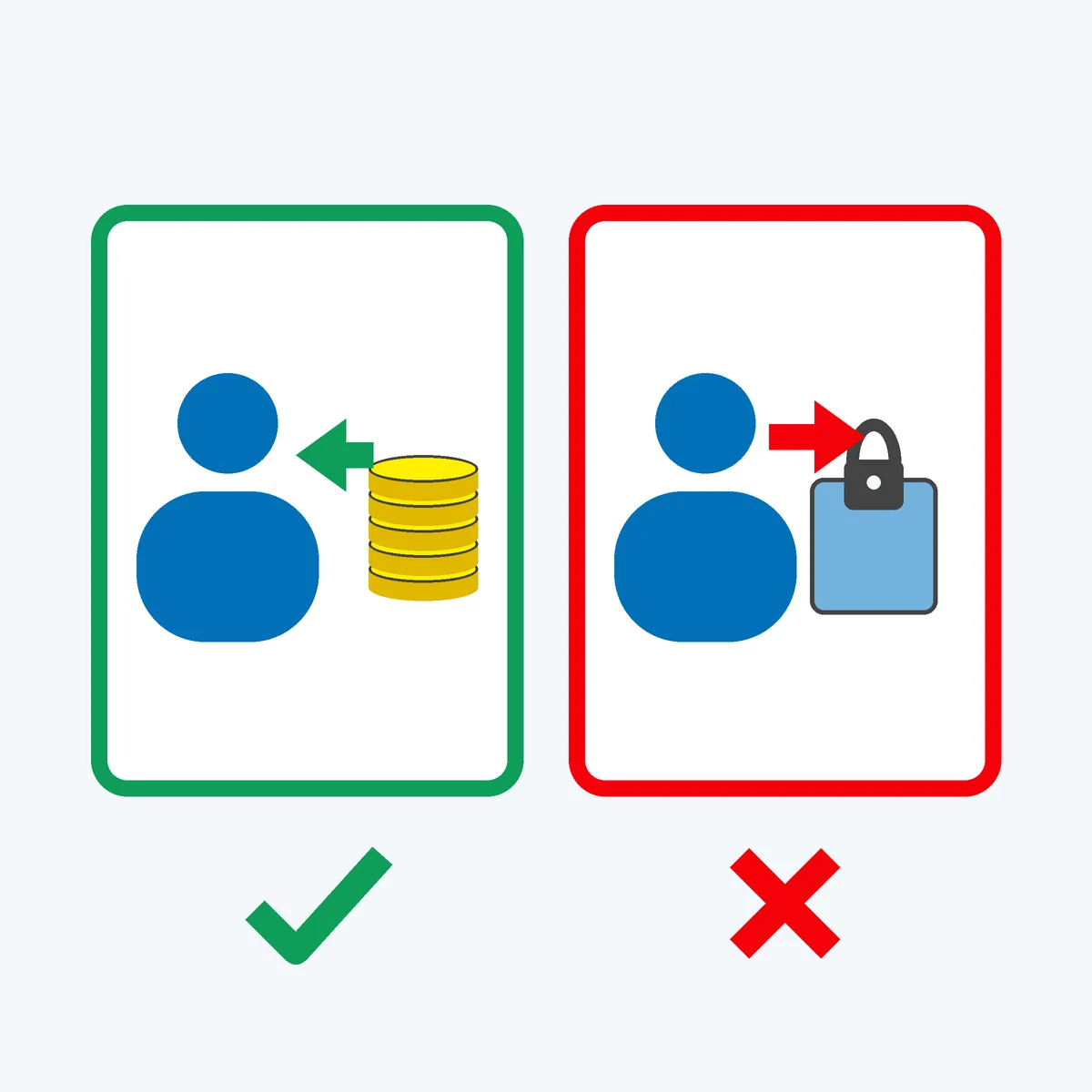
If you only remember one line, make it this: you should never have to pay to get paid. The FTC puts it bluntly: “Never pay anyone to get paid”1.
The regulators say it in different words, but they all say it. The FTC’s advice on job scams is blunt: honest employers will never ask you to pay to get a job, and anyone who does is a scammer2. Australia’s Scamwatch, run by the ACCC’s National Anti-Scam Centre14, opens its job-scam page by telling you to stop and check any job offer that requires you to pay money to make money3. The Canadian Anti-Fraud Centre describes job frauds where victims are asked to pay fees to unlock more work4. In the UK, Report Fraud (which replaced Action Fraud in December 2025)13 says most legitimate employers shouldn’t require you to pay anything to start working for them5.
That rule covers registration fees, “starter kits”, training packs, account top-ups, certification fees and “leads” you must buy before you can earn. Real work can involve real costs, of course: a domain, a laptop, a market stall fee. The difference is who you’re paying and why. When you’re buying tools for your own business from a normal supplier, that’s an expense. When the person offering you the “job” or “opportunity” is also the person taking your money, slow right down.
The second rule is close behind: pressure is a red flag. Scamwatch says a legitimate offer won’t require you to make a fast decision3. Real opportunities survive a night’s sleep and a conversation with someone you trust.
Red Flag 1: Job and Task Scams
This is the trap behind the FTC figures above. Task scams often arrive as an unexpected text or WhatsApp message offering online work but no specifics1.
Here’s how the regulators describe the pattern. You’re offered easy, flexible work from home: liking videos, rating products, “boosting” apps or “optimising” listings. The FTC says these task scams often use buzzwords like “product boosting” or “app optimization”, and that tasks are often assigned in sets, with the promise of “levelling up”1. You may get a small payout at first. Then you’re told to deposit money, often cryptocurrency, to unlock the next set of tasks or withdraw your “earnings”. Scamwatch says you will never be able to withdraw your earnings or the money you’ve paid3.
The Canadian Anti-Fraud Centre describes the same model in Canada, including fraudsters using the names of real companies, and notes that victims see funds in a crypto account but can’t withdraw them4.
Red flags the regulators list:
- A recruiter contacts you out of the blue by text or an encrypted messaging app3.
- You’re promised high income from home for little effort3.
- The hiring is quick, with no interview and no questions about your experience3.
- You’re asked to top up an account with your own money or crypto to complete tasks3.
- The “job” involves moving money, buying things or receiving and reshipping packages for someone else3.
- You’re paid to “like” or rate things online. The FTC says no honest company will do that1.
That last-but-one point matters for your own safety. Scamwatch warns that receiving money into your account and passing it on can make you a money mule, which it calls a serious crime even if you don’t know how the money is being used3. The Canadian Anti-Fraud Centre warns you could be arrested for money laundering4.
What a real gig looks like instead: a named business you can look up independently, a real conversation about the work, a clear rate, and pay that flows to you, never from you.
Red Flag 2: MLM or Pyramid Scheme?
This one is trickier, because the regulators don’t treat all multi-level marketing the same way.
In the US, the FTC explains that MLMs sell through person-to-person sales and recruit distributors into a “downline”. It says some MLMs are illegal pyramid schemes, and that if an MLM is not a pyramid scheme, it will pay you based on your sales to retail customers, without you having to recruit new distributors6. The FTC is also direct about the economics: it says most people who join legitimate MLMs make little or no money, and some lose money6.
Canada’s Competition Bureau draws a similar line. It calls multi-level marketing a legal business model, but says pyramid selling is a criminal offence. It lists practices that count as pyramid selling under the Competition Act, including paying compensation for recruitment, requiring purchases (other than a start-up kit sold at cost) as a condition of joining, and “inventory loading”7.
In the UK, Report Fraud describes pyramid scheme fraud as an unsustainable business that rewards people for enrolling others, where your money is passed up the chain rather than invested in a real product8. Australia’s Scamwatch says pyramid schemes are illegal, and that it’s against the law to promote or take part in one3.
Red flags the regulators list:
- The pitch focuses on recruiting, not selling to real customers6.
- You’re promised extravagant earnings or told you can quit your job and get rich6.
- You must buy stock regularly, or buy products before you can qualify for pay or bonuses6.
- You’re pressured to sign up now and discouraged from researching6.
- You pay a fee to join, and you’re told to recruit friends and family to earn it back8.
The question to ask: if nobody new ever joined, could I still make money selling this product to people outside the company? If the honest answer is no, walk away.
Red Flag 3: Upfront-Fee “Business Opportunities”
This is the scam that sounds most like a side hustle, because it sells you the dream of your own business.
The FTC’s page on business offer and coaching scams says that an offer promising “guaranteed income”9, large returns or a “proven system” is likely a scam. It warns that even a free or low-cost “system” can turn into a money pit, costing tens of thousands of dollars for mentoring or services9. It also says no one can promise that you’ll make money in business, and that honest business opportunities don’t need high-pressure sales tactics: an offer that’s good today should be good tomorrow too9.
The UK’s Report Fraud describes work-from-home schemes that make you pay an advance fee, avoid paying for work you’ve done, sell you worthless products or make you sign up others before you’re paid. It lists the classic reasons given for paying up front: to register, buy customer leads, set up a website, buy products to sell or get an instruction manual5. It also says any advert claiming you can sit back and let a business run itself is a good sign fraudsters are at work.
In Australia, Moneysmart, run by the Australian Securities and Investments Commission (ASIC), describes investment scams that sell “the dream of easy money” with promises such as guaranteed profits, high returns with little or no risk, and the ability to get rich quickly. It says legitimate investments always involve some level of risk10. If a “business opportunity” is really asking you to invest money for a promised return, that’s the lens to use.
The UK’s Financial Conduct Authority (FCA) lists warning signs on its “Protect yourself from scams” page (formerly ScamSmart) that apply here too: unexpected contact, pressure to act quickly, offers that sound too good to be true, and flattery or emotional pressure11.
Before you pay anything, the FTC suggests getting clear answers to questions like these9:
- What exactly would I be selling or doing?
- How would the business make money?
- What are my specific expenses, and can I afford them?
- When would I expect to turn a profit?
If the seller can’t answer, or says you don’t need to understand because it’s “turnkey”, that’s your answer.
Red Flag 4: Fake Cheques and Overpayments
This scam targets two kinds of side hustlers: people taking on gig work, and people selling things online.
The FTC describes it like this: someone you don’t know asks you to deposit a cheque, usually for more than they owe you, then asks you to pass some of the money on to them or to someone else. They always have a good story, whether it’s buying supplies for a job, paying an “installer”, or returning an “accidental” overpayment12. The FTC explains that fake cheques can look just like real ones, even to bank employees, and that it can take weeks for a bank to discover a cheque is fake. By then, you owe the bank the money and the scammer has what you sent12.
The Canadian Anti-Fraud Centre lists the same model in job offers: car-wrap ads, mystery shopper roles and counterfeit cheques sent to people who posted their CVs online, with instructions to deposit the cheque and send part of the money on4.
Red flags the regulators list:
- A cheque or payment arrives for more than the agreed amount12.
- You’re told to send part of it on by wire, gift cards or crypto12.
- A new “employer” sends you a cheque before you’ve done any work2.
- You’re asked to buy gift cards and send the PINs. The FTC says anyone who demands payment by gift card is always a scammer12.
If you sell products, we’ve covered the seller side of this in more detail in your first paid order from a customer you’ve never met. The rule is the same: never pass money on from a payment that hasn’t truly cleared, and don’t accept a cheque for more than the selling price.
Your 2-Minute Legit-or-Scam Check
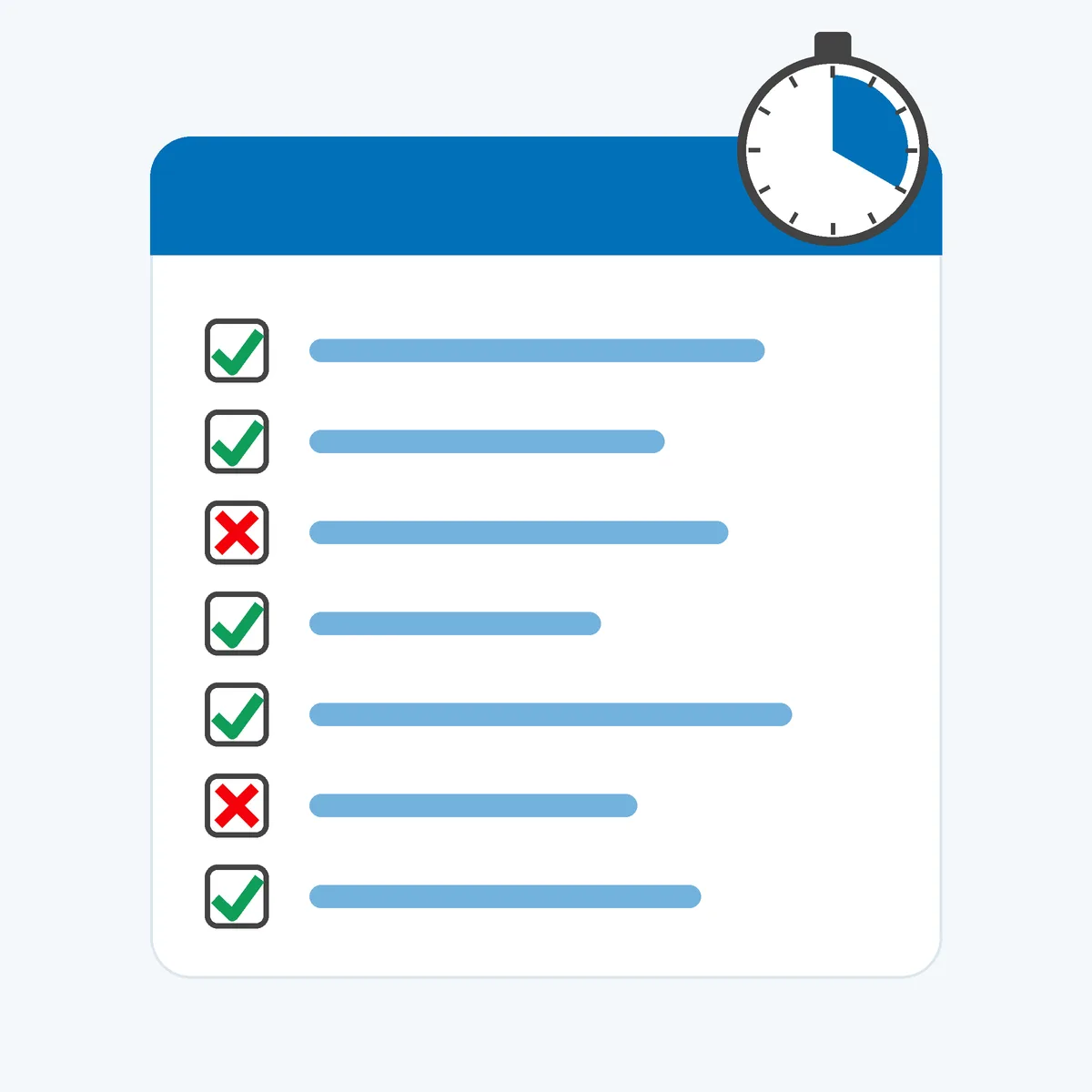
Run any offer through these questions before you hand over money or personal details. One “yes” means stop and check. Two means walk away.
- Do I have to pay to start or to get paid? Fees, kits, top-ups, leads or training bought from the same people offering the work.
- Did they contact me out of the blue? Unexpected texts, DMs or WhatsApp messages about work.
- Is it rushed? “Spots are limited”, “today only”, or you’re discouraged from asking questions.
- Is the money mostly from recruiting? Earnings depend on signing up friends and family.
- Are the earnings guaranteed or extravagant? “Proven system”, “passive income”, “quit your job”.
- Is money moving through me? Receive funds, keep a cut, send the rest on.
- Can I verify them independently? Search the company name plus “scam”, “review” or “complaint”, as the FTC suggests6. In the UK, the FCA offers its Firm Checker for financial firms11.
If you’ve already paid, the regulators agree on the first step: contact your bank or payment provider straight away and report it. In the US that’s ReportFraud.ftc.gov1. In England, Wales and Northern Ireland, it’s Report Fraud, the service that replaced Action Fraud on 4 December 202513, 15. In Scotland, report to Police Scotland on 10116. In Canada it’s the Canadian Anti-Fraud Centre4, and in Australia it’s Scamwatch3.
Outside those four countries? If you’re in New Zealand, Ireland, the Cayman Islands, the Bahamas, the British Virgin Islands or South Africa, check your national regulator or police fraud-reporting service for local rules and reporting routes. The red flags above are a good starting point anywhere, but the laws and agencies differ.
Not legal advice: this post is general information drawn from official guidance in the US, UK, Canada and Australia. It isn’t legal or financial advice for any country. If you’re unsure about a specific offer or contract, speak to a qualified professional where you live.
Your Move
A real side hustle builds something you own: skills, customers, a brand, a reputation. A scam builds nothing except someone else’s bank balance. The tell is almost always the same: money flowing from you, under pressure, before any real work or real customers.
So pick the honest route, even if it’s slower. Sell a skill, make a product, serve real customers. Make sure your business is properly set up where you live, too. Our guide on how to register your side hustle covers where to start in seven of our markets. That’s how we’re working towards our mission of helping 1,000 people turn their side hustles into main hustles by 2028: with real businesses, not pyramids.
A legit hustle has a home people can check. Get your site online with Side Hustle Hosting. You’ve got this.
Where the numbers come from
Red flags and examples come from regulators’ and official reporting services’ own pages, read 22 October 2026. Agencies update their advice, so check the current page. Figures are as stated by the source, for the period shown. Report Fraud replaced Action Fraud on 4 December 202513; the FCA no longer uses its former “ScamSmart” branding on this page11.
- US Federal Trade Commission, Paying to get paid: gamified job scams drive record losses (Data Spotlight; job-scam losses reported January to June 2024; task-scam report estimates for 2023 and January to June 2024), FTC, 12 December 2024. ftc.gov
- US Federal Trade Commission, Job Scams, FTC Consumer Advice, 2026 (read 22 October 2026). consumer.ftc.gov
- Scamwatch (National Anti-Scam Centre, ACCC), Jobs and employment scams, Australian Government, 2026 (read 22 October 2026). scamwatch.gov.au
- Canadian Anti-Fraud Centre, Job (fraud types and warning signs), Government of Canada, 2026 (read 22 October 2026). antifraudcentre-centreantifraude.ca
- Report Fraud (City of London Police), Work from home scams, Report Fraud, 2026 (read 22 October 2026). reportfraud.police.uk
- US Federal Trade Commission, Multi-Level Marketing Businesses and Pyramid Schemes, FTC Consumer Advice, 2026 (read 22 October 2026). consumer.ftc.gov
- Competition Bureau Canada, Multi-level marketing and pyramid selling, Government of Canada, 2026 (read 22 October 2026). competition-bureau.canada.ca
- Report Fraud (City of London Police), Pyramid scheme fraud, Report Fraud, 2026 (read 22 October 2026). reportfraud.police.uk
- US Federal Trade Commission, When a Business Offer or Coaching Program Is a Scam, FTC Consumer Advice, 2026 (read 22 October 2026). consumer.ftc.gov
- Moneysmart (Australian Securities and Investments Commission), Investment scams, Moneysmart.gov.au, updated 14 October 2026. moneysmart.gov.au
- Financial Conduct Authority, Protect yourself from scams, FCA, updated 19 January 2026. fca.org.uk
- US Federal Trade Commission, How To Spot, Avoid, and Report Fake Check Scams, FTC Consumer Advice, 2026 (read 22 October 2026). consumer.ftc.gov
- GOV.UK (Serious Fraud Office), Report Fraud: New service from City of London Police, GOV.UK, 4 December 2025. gov.uk
- Australian Competition and Consumer Commission, Scams (what the ACCC does: Scamwatch and the National Anti-Scam Centre), ACCC, 2026 (read 22 October 2026). accc.gov.au
- Report Fraud (City of London Police), Report Fraud (homepage: service for England, Wales or Northern Ireland), Report Fraud, 2026 (read 22 October 2026). reportfraud.police.uk
- Police Scotland, How to report a crime (report by phone: call 101), Police Scotland, 2026 (read 22 October 2026). scotland.police.uk
