
You’ve got a product, a payment button and your first customer in Manchester, Glasgow, Cardiff or Belfast. Brilliant. Now the boring bit that protects the exciting bit: the UK has clear rules on what you must tell a customer, what happens when they change their mind, and what you owe them when something goes wrong. Learn them once, build them into your shop, and you can sell with confidence.
Who this covers. This guide is about selling to consumers in the United Kingdom: England, Wales, Scotland and Northern Ireland. The main consumer laws we cover apply across all four nations. Where something differs by nation, we say so, and the table in the next section pulls the differences together. Any pound figures are quoted from the official sources, not converted.
Not legal advice. This is general information to help you ask better questions, not legal advice, and it can’t cover your exact situation. Laws and guidance change, so check the sources at the end and speak to a qualified adviser before you rely on any of it. If you’re unsure, the free consumer advice bodies listed below are a good first call.
First Question: Are You a “Trader”?
If you sell online to make money, the law treats you as a trader. The UK’s Competition and Markets Authority (CMA) says its short guide is for anyone who owns or runs a business and sells products, services or digital content to consumers, including people who sell goods online to make money rather than to get rid of old things1. The CMA also explains that a person who occasionally sells their unwanted second-hand clothes is likely to still be a consumer, while a sole trader acting for business purposes is not2.
So if you buy stock, make products to order, or sell a service for profit, assume the trader rules apply to you. Being a one-person side hustle doesn’t switch them off.
Selling from abroad? The CMA says an invitation to purchase that is directed at UK consumers must comply with the relevant rules even if the trader is located outside the UK2. Our guide to selling to the UK from abroad covers the practical side.
One Rulebook, Four Nations: What Differs and What Doesn’t
Here is what the official sources say about where the rules are shared and where nation-specific details appear.
| Topic | What the official sources say | Nations |
|---|---|---|
| Consumer Rights Act 2015 | The Act extends to England and Wales, Scotland and Northern Ireland3 | All four nations |
| 14-day cancellation for online sales | gov.uk’s guidance for online sellers sets out the 14-day rule without splitting it by nation4 | Presented as one rule for the whole UK |
| DMCC Act unfair-practice rules (fake reviews, drip pricing) | The CMA’s guidance covers practices from 6 April 2025, and sets out penalties separately for England and Wales, Scotland and Northern Ireland2 | UK-wide rules, with nation-specific penalty wording |
| New subscription rules | The draft regulations say they extend to England and Wales, Scotland and Northern Ireland5 | All four nations |
| Time limit to make a claim for goods | gov.uk says customers have up to 6 years to make a claim, and 5 years in Scotland6 | Scotland (5 years) differs from England and Wales (6 years). Northern Ireland is 6 years under the Limitation (Northern Ireland) Order 1989, article 419 |
| Where customers get free advice | Citizens Advice (England and Wales), Advice Direct Scotland (Scotland), Consumerline (Northern Ireland)7 | Different body per nation |
| Overseas sellers to Northern Ireland | gov.uk says there is separate distance-selling guidance for overseas businesses selling goods to customers in Northern Ireland4 | Northern Ireland |
If you sell into Northern Ireland, or you’re based there, read that separate gov.uk guidance and ask your local Trading Standards or Consumerline before you launch.
Ten Invented Sellers, One Rule Each
Every seller below is invented. Every one is selling to UK customers, and each hits a different rule first. Each rule is explained properly in the sections that follow.
| Invented seller | Based in | Sells to UK customers | The rule that bites first |
|---|---|---|---|
| Maya | United States | Scented candles | Show the total price, including delivery, up front8 |
| Tama | New Zealand | Downloadable planners | Customers must give express consent to download now and acknowledge they lose the 14-day right, and you confirm both afterwards9 10 |
| Jess | Australia | Mugs printed with a customer’s name | Personalised items are an exception to the change-of-mind refund6 |
| Marcus | Cayman Islands | Photography sessions | Services must be performed with reasonable care and skill3 |
| Keisha | Bahamas | Woven bags | Goods must be as described, and ads and labels can count3 |
| Andre | British Virgin Islands | Guided day trips booked for a set date | Services related to leisure activities with a specific date or period of performance are excluded from cancellation10 |
| Thandi | South Africa | Home-baked gift boxes | Perishable items are an exception to the change-of-mind refund6 |
| Callum | United Kingdom | Bike-repair newsletter | Marketing emails need consent or a strict soft opt-in11 |
| Priya | Canada | Bookkeeping templates | Reviews must be genuine, and any incentive must be made clear12 |
| Aoife | Ireland | Knitwear in a sale | Sale items carry the same rights as full-price ones6 |
Before They Buy: What You Must Show
gov.uk lists what you must provide before an order is placed: your business name, contact details and address, a description of your goods or services, the price including all taxes, how the customer can pay, delivery arrangements, costs and timing, the conditions for ending contracts, and how they can cancel4. If they can cancel, you also need to give them a standard cancellation form4.
Selling online adds more. gov.uk says you must make it clear customers have to pay when they place an order, list the steps in placing an order, take reasonable steps to let customers correct errors, give your email address, and give your VAT number if you’re registered9. The regulations are stricter about the order button itself: it must be labelled only with the words “order with obligation to pay” or a corresponding unambiguous wording. gov.uk’s example is a “pay now” button, so make sure your wording leaves no doubt that clicking means paying. If the button isn’t labelled properly, the customer isn’t bound by the order10. Optional extras need the customer’s consent, for example a ticked box9.
The E-Commerce Regulations 2002 add that anyone providing an online service must make their name, geographic address and email address easily and permanently accessible, along with the details of any public register you’re entered in and your registration number (for a company, its Companies House number). Prices must also show clearly whether they include tax and delivery costs13.
Practical move: build one “Trader info” page and link it from your footer, product pages and checkout. Our guide to legal things to do before your first sale is a good companion.
Price Honesty: Show the Total Up Front
The CMA says that when you tell a customer about a product and its price, you must give them the total price in a clear and timely way, and that it should normally include unavoidable charges such as delivery fees or VAT, because providing them separately will not normally be enough8. Optional extras, such as next-day delivery, can be shown separately8. The “drip pricing” trick of showing a low price and adding fees as the customer moves through checkout is exactly what these rules target2.
The stakes are real. The CMA says businesses can be fined up to 10% of turnover, or £300,000, whichever is greater8. Our post on which currency to quote international customers in will help you present a clear price to shoppers in another currency.
The 14-Day Change-of-Mind Right for Online Sales
For most online and distance sales, the customer can cancel without giving a reason. gov.uk says you must tell the customer they can cancel up to 14 days after their order is delivered, and that if you don’t tell them, the cancellation period can run for up to 12 months longer (if you give them the information within 12 months of the start of the normal cancellation period, it instead ends 14 days after they receive it)4 10. The Consumer Contracts Regulations set the same shape: for most goods, the period ends 14 days after the goods come into the customer’s physical possession, while for services and digital content it ends 14 days after the contract is entered into10.
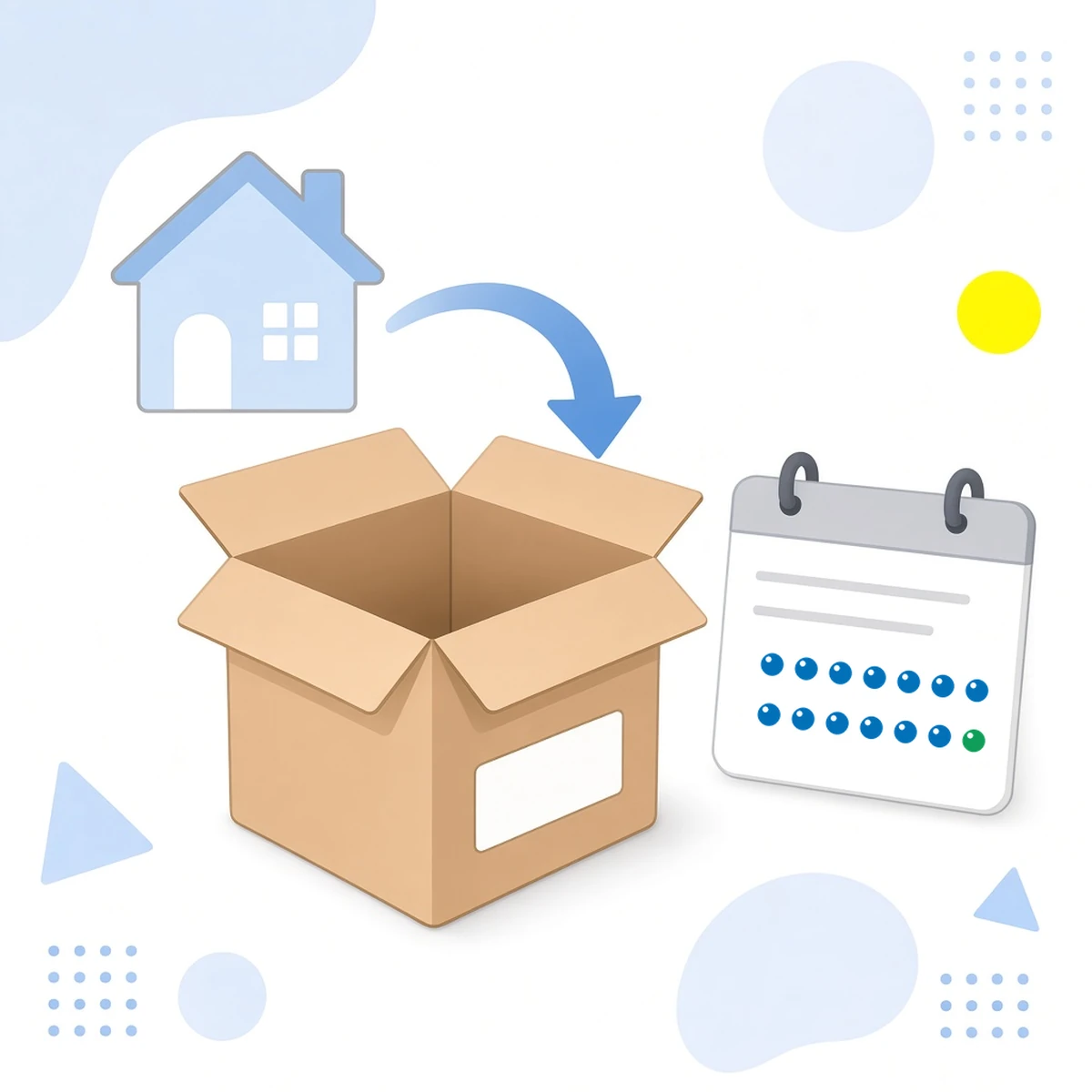
When a customer cancels, gov.uk says they have another 14 days to return the item after telling you, and you must refund without undue delay and at the latest within 14 days of getting the item back, or of the customer showing proof they’ve sent it back if that is earlier6 10. If you offered to collect the item, the 14 days run from when the customer tells you they’re cancelling10. You must also refund standard delivery, though if they chose a pricier option you only refund the standard cost6. The regulations let you deduct for loss in value from handling beyond what a shop would allow, but not if you failed to tell them about the right to cancel10.
| Situation | Does the change-of-mind right apply? | What the sources say |
|---|---|---|
| Ordinary goods bought online | Yes | Customer tells you within 14 days of receiving them. You refund within 14 days of getting them back (or of proof of posting, if earlier, unless you offered to collect)6 10 |
| Personalised or custom-made items | Only if faulty | gov.uk lists these as exceptions to the change-of-mind refund6 |
| Perishable items | Only if faulty | gov.uk gives frozen food and flowers as examples6 |
| Sealed hygiene items, once opened | Only if faulty | gov.uk says this applies where they can’t be returned once opened for health or hygiene reasons6 |
| Downloads and streaming | Customer must consent and acknowledge | The customer must expressly agree to the download starting straight away and acknowledge they’ll lose the 14-day right. You must confirm that consent and acknowledgement in your order confirmation9 10 |
| Leisure services on a fixed date | Excluded | The regulations exclude services related to leisure activities (and also catering, vehicle rental, transport of goods and accommodation) where the contract has a specific date or period of performance10 |
When Something Is Wrong: Faulty and Not As Described
Change-of-mind rights are one thing. Quality rights are another, and they apply to every sale, online or not. gov.uk says customers have a right to a remedy if an item is faulty, not as described, or doesn’t do what it’s supposed to6.
The Consumer Rights Act 2015 turns that into three terms for goods: they must be of satisfactory quality, fit for a particular purpose, and as described3. It adds that any public statement about the goods made by the trader, including in advertising or labelling, can be a relevant circumstance, so your product page promises matter3. For services, the Act says you must perform the service with reasonable care and skill3. Digital content has its own chapter of the Act3.
What can you offer when it goes wrong? Under the Act the customer can have a short-term right to reject, a right to repair or replacement, and then a price reduction or the final right to reject3. The short-term right to reject generally runs for 30 days, and the Act sets out exactly when that clock starts3. gov.uk adds that if a customer returns an item within 6 months, you must repair or replace it unless you can prove it wasn’t faulty when they bought it6. Customers have up to 6 years to make a claim, or 5 in Scotland6 (6 in Northern Ireland19).
Two things you can’t do. The Act says a contract term is not binding on the consumer to the extent it would exclude or restrict your liability for those quality terms3. And gov.uk says it is illegal to restrict customers’ rights or to mislead them about their rights, for example with a sign saying you don’t accept returns or offer refunds6. Delete “no refunds” from your shop today.
Honest Marketing: Fake Reviews and Banned Practices
The Digital Markets, Competition and Consumers Act 2024 (the DMCC Act) now sets the UK’s unfair-trading rules. The CMA says its provisions apply to commercial practices from 6 April 2025 onwards2. It lists 32 commercial practices that are unfair in all circumstances, including fake reviews, misuse of trust marks, pressure selling and sales of illegal products2.
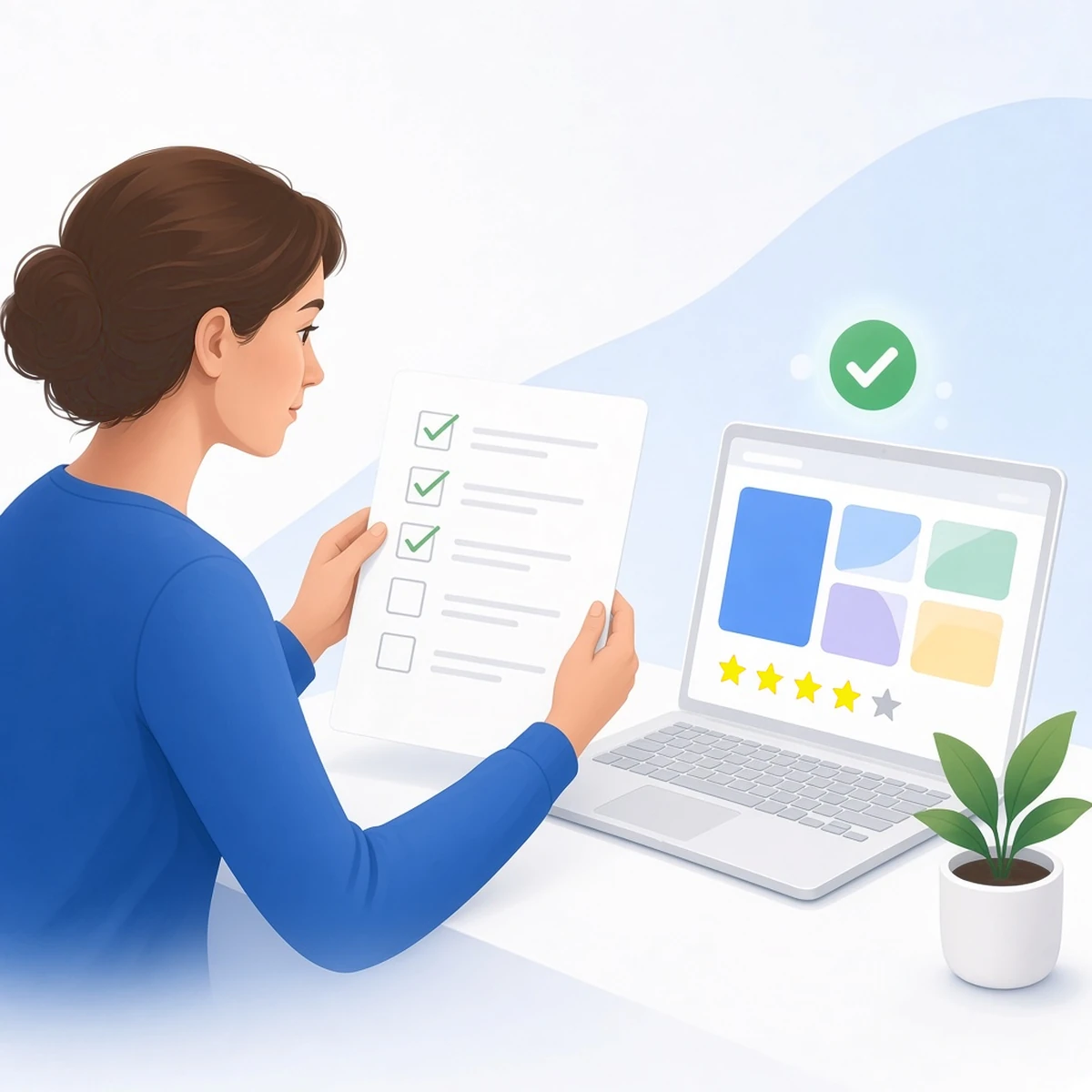
Reviews are the one that catches side hustlers. The CMA’s short guide for businesses splits the problem into fake reviews, concealed incentivised reviews (where you don’t make clear a review was written in exchange for money or a freebie), and false or misleading review information, such as an overall score built on fake reviews12. It says you should take reasonable and proportionate steps to prevent and remove banned reviews, and have a published policy that clearly prohibits fake reviews12. So: never write your own reviews, never hide an incentive, and publish a short review policy on your site.
The CMA says breaches of the banned practices can attract monetary penalties of up to the higher of £300,000 or 10% of worldwide turnover2. For general advertising rules, gov.uk’s marketing and advertising law guide covers describing your product accurately and the Advertising Standards Authority codes14.
Marketing Emails and Your Customer List
Collecting emails is great. Using them takes care. The ICO says that to send unsolicited electronic marketing to individual subscribers, you must have their consent or meet all the requirements of the “soft opt-in”11. Sole traders and most partnerships in England, Wales and Northern Ireland count as individual subscribers, so the rule covers business customers of that kind too. Companies, limited liability partnerships and Scottish partnerships are corporate subscribers15.
The soft opt-in applies only if you collected their contact details yourself, directly from that person, while selling or negotiating to sell them something; you are marketing only your own similar products and services; you gave them a simple chance to opt out when you collected the details (not one buried in your privacy policy); and you give them that chance in every message. A bought-in list never qualifies11. If you rely on consent, the ICO says people must take a positive action, so no pre-ticked boxes11.
Our post on customer data privacy for side hustlers goes further. One more ICO point: organisations, including sole traders, that use personal information may need to pay a data protection fee unless they are exempt, and the ICO publishes a self-assessment to check16. Run it once and save the result.
Subscriptions: Rules Are on the Way
Selling a membership, box or recurring service? The DMCC Act contains a new subscription regime, but it is not yet in force. The government says consumers will get clear information before they sign up and regular reminders, it will be straightforward to exit, people who signed up online can exit online, and there will be a 14-day cooling-off period after a trial or 12 month-plus contract auto-renews17. The government’s consultation response anticipated spring 202717. On 19 October 2026 the government then laid draft regulations in Parliament (the Consumer Subscription Contracts (Cancellation and Information) Regulations 2026) that give 1 January 2027 as their coming-into-force date, and published draft guidance for businesses5 18. The regulations are still drafts: both Houses of Parliament must approve them, and the draft guidance says the rules would apply only to subscriptions entered into on or after 1 January 202718. Check the latest position before you launch anything recurring.
Where to Get Help
gov.uk points consumers, and traders curious how disputes work, to Citizens Advice in England and Wales, Advice Direct Scotland in Scotland and Consumerline in Northern Ireland7. Local Trading Standards can investigate complaints referred to them7. If you suspect someone is mimicking your brand or running a scam, our post on telling a side hustle from a scam will help you protect customers.
The Copy-and-Use Checklist
Copy this into your notes and tick it off before you sell to a UK customer.
☐ I know I’m a trader and I’ve treated every UK sale as a consumer sale.
☐ My shop shows my business name, address, email and registration number (for a company, its Companies House number), and my VAT number if I’m registered.
☐ Every price shows the total, including delivery and taxes that can’t be avoided.
☐ My checkout button says “order with obligation to pay” (or equally clear wording) and lets customers fix mistakes.
☐ My product pages describe each item honestly, because my promises can count as part of the deal.
☐ I tell customers about the 14-day right to cancel and give them the cancellation form.
☐ Downloads and streams ask for express consent to start now AND an acknowledgement that the 14-day right is lost, and my confirmation email repeats both.
☐ My returns page lists the real exceptions, and says nothing like “no refunds”.
☐ I have a plan for faulty items: repair, replace, refund.
☐ I don’t write, buy or hide incentivised reviews, and I publish a short review policy.
☐ My marketing emails rely on clear consent or a strict soft opt-in, with an unsubscribe in every message.
☐ I’ve run the ICO’s data protection fee self-assessment.
☐ I’ve saved the right advice body for each UK nation I sell into.
Your Move
Pick one hour this week. Open your own shop as if you were a stranger in Leeds or Edinburgh, and walk the path from product page to refund. Fix what’s missing, tick the checklist, and book a review for when the rules change. You don’t need to be a lawyer to sell fairly. You need a clear process and the courage to apply it.
A shop on your own domain gives you a proper place to show your trader details and returns policy, and that’s the best foundation for everything above. Get your domain and hosting sorted →
We’re helping 1,000 ambitious people turn their side hustles into main hustles by 2028. Yours could be next.
Sources
Facts about UK consumer law come only from official sources: legislation.gov.uk, GOV.UK, the Competition and Markets Authority (CMA) and the Information Commissioner’s Office (ICO), listed below. We read the legislation.gov.uk, GOV.UK and CMA pages on 5 November 2026 and the ICO pages from archived copies dated October 2026. Laws, regulations and official guidance change, and the subscription rules in particular were still moving when we read them, so check the current version of each page before you rely on it. This is general information, not legal advice.
- CMA, What businesses need to know about unfair commercial practices (short guide)
- CMA, Unfair commercial practices guidance (CMA207)
- legislation.gov.uk, Consumer Rights Act 2015
- GOV.UK, Online and distance selling for businesses
- legislation.gov.uk, The Consumer Subscription Contracts (Cancellation and Information) Regulations 2026 (draft)
- GOV.UK, Accepting returns and giving refunds
- GOV.UK, Consumer rights: who to contact for advice
- CMA, Price transparency: providing clear and accurate information about prices, summary (CMA209)
- GOV.UK, Online and distance selling for businesses: online selling
- legislation.gov.uk, Consumer Contracts (Information, Cancellation and Additional Charges) Regulations 2013
- ICO, How do we comply with the PECR electronic mail marketing rules?
- CMA, Short guide for businesses: publishing consumer reviews and complying with consumer protection law
- legislation.gov.uk, Electronic Commerce (EC Directive) Regulations 2002, regulation 6
- GOV.UK, Marketing and advertising law: overview
- ICO, Business-to-business marketing
- ICO, Data protection fee self-assessment
- GOV.UK, Government response to the consultation on the new subscription contracts regime
- GOV.UK, Subscription contracts (draft guidance, 19 October 2026)
- legislation.gov.uk, Limitation (Northern Ireland) Order 1989, article 4
